

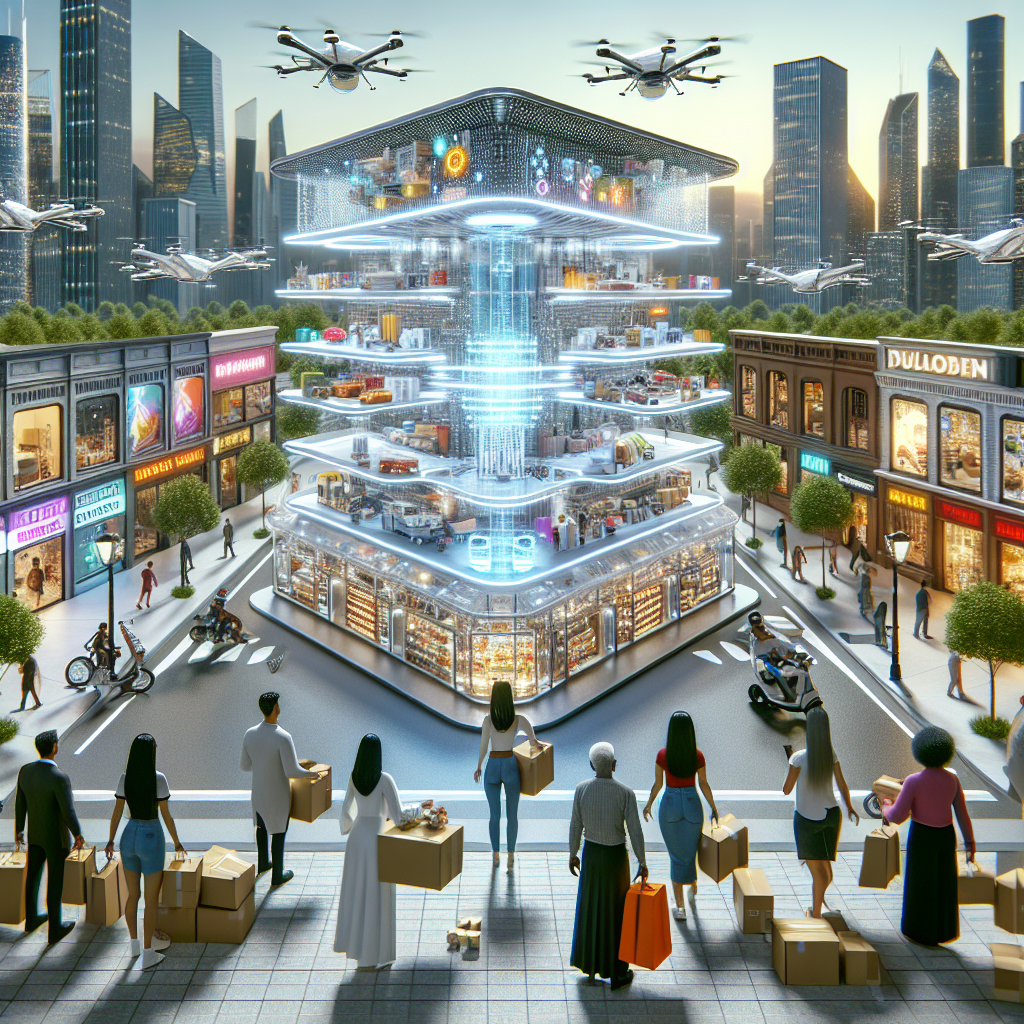
Understanding All-in-One Product Delivery Systems
In recent years, the retail landscape has experienced a seismic shift, driven largely by technology and evolving consumer expectations. Among the most transformative developments is the rise of all-in-one product delivery systems, a concept that is redefining how goods reach consumers and, consequently, revolutionizing retail.
What are All-in-One Product Delivery Systems?
All-in-one product delivery systems are integrated platforms that streamline the entire process of product delivery, from order placement to final delivery at the consumer's doorstep. These systems consolidate multiple functions traditionally handled by separate entities, like inventory management, logistics, and customer service, into a single, cohesive unit.
Key Characteristics
Several characteristics define these systems:
Seamlessness
The integration of multiple processes allows for a seamless shopping experience. Consumers benefit from a fluid, hassle-free service, eliminating traditional pain points like delayed order processing or fragmented customer support.
Efficiency
By automating and optimizing every step of the delivery process, these systems minimize human error and reduce time from purchase to delivery, improving the overall efficiency of retail operations.
Scalability
Scalability is built into these systems, accommodating fluctuating demands during peak seasons without compromising on service quality.
How All-in-One Systems Are Changing Retail Dynamics
The introduction of all-in-one product delivery systems marks a significant departure from conventional retail methodologies. This transformation impacts multiple facets of the industry:
Consumer Expectations and Satisfaction
Today's consumers demand more than just a product—they seek experiences, convenience, and exceptional service. These delivery systems directly address these demands by providing:
Speed and Reliability
Consumers expect swift delivery times; all-in-one systems leverage technology to track, manage, and expedite deliveries. Predictive analytics and machine learning forecast demand, optimize routes, and ensure prompt delivery.
Enhanced Choice and Control
Through these systems, consumers gain greater control over delivery preferences, including timing and location, enhancing the overall purchasing experience.
Operational Efficiency for Retailers
The streamlined process not only benefits consumers but also significantly enhances operational efficiency for retailers. Key improvements include:
Inventory Management
With real-time inventory tracking, retailers can reduce overstocking or stockouts, leading to better inventory turnover rates and reduced holding costs.
Cost Reduction
Integrated systems enable cost savings through optimized routing, diminished manual labor requirements, and decreased error rates, collectively improving the bottom line for retailers.
Impact on Smaller Retailers
While large retailers were the first to adopt these systems, smaller businesses also stand to benefit greatly. All-in-one systems level the playing field by providing access to advanced technologies and logistics that were previously cost-prohibitive.
The Technology Powering All-in-One Systems
The sophistication of all-in-one systems relies heavily on emerging technologies that enhance their abilities to deliver seamless and efficient service.
Artificial Intelligence and Machine Learning
AI and machine learning play a crucial role in interpreting vast amounts of data, predicting consumer behavior, and optimizing logistics. These technologies enable systems to learn and improve continuously, ultimately providing a more personalized experience for the consumer.
Predictive Analytics
Predictive analytics forecast demand accurately, ensuring that inventory levels are appropriately managed and logistics are aligned with customer demand patterns.
Internet of Things (IoT)
IoT devices offer enhanced visibility throughout the delivery chain. Sensors track inventory levels, monitor transportation conditions, and provide real-time updates to consumers and retailers alike.
Connectivity and Transparency
Through IoT, each step of the delivery process becomes transparent, allowing for real-time adjustments and updates, thereby increasing consumer trust and satisfaction.
Challenges and Considerations
Despite the numerous benefits, embracing all-in-one product delivery systems is not without challenges. Retailers must navigate several potential hurdles:
Data Privacy and Security
As these systems rely heavily on data, ensuring robust data encryption and privacy protocols is paramount. Retailers must comply with data protection regulations to protect consumer information.
Building Consumer Trust
Consumers are increasingly concerned about how their data is used. Retailers must prioritize transparency and clear communication regarding data usage to build and maintain trust.
Adoption and Integration
Integrating these systems into existing operations requires a strategic approach. Retailers might face resistance to change from employees accustomed to traditional processes.
Training and Development
Success hinges on adequately training staff to effectively use new systems. Implementing a comprehensive training program can mitigate resistance and facilitate smoother transitions.
The Future of All-in-One Product Delivery Systems
The retail industry can expect further enhancement and proliferation of all-in-one delivery systems in the coming years. Emerging technologies and shifting consumer expectations are likely to drive increased adoption.
Continued Innovation
Innovation will remain a focal point as new technologies such as blockchain are integrated into these systems, offering even greater transparency and security in the supply chain.
Personalized Customer Experiences
Future systems will likely double down on personalizing the customer journey, leveraging AI to not only forecast demand but also curate individualized shopping experiences.
Global Expansion
As all-in-one systems become more refined, retailers across the globe will increasingly adopt these models, catering to diverse markets and consumer bases more effectively.
As the retail landscape continues to evolve, all-in-one product delivery systems are set to play an instrumental role, driving greater efficiency, satisfaction, and innovation across the industry. Whether you're a consumer enjoying the benefits of seamless delivery or a retailer navigating this transition, the future of retail promises to be both exciting and transformative.
