

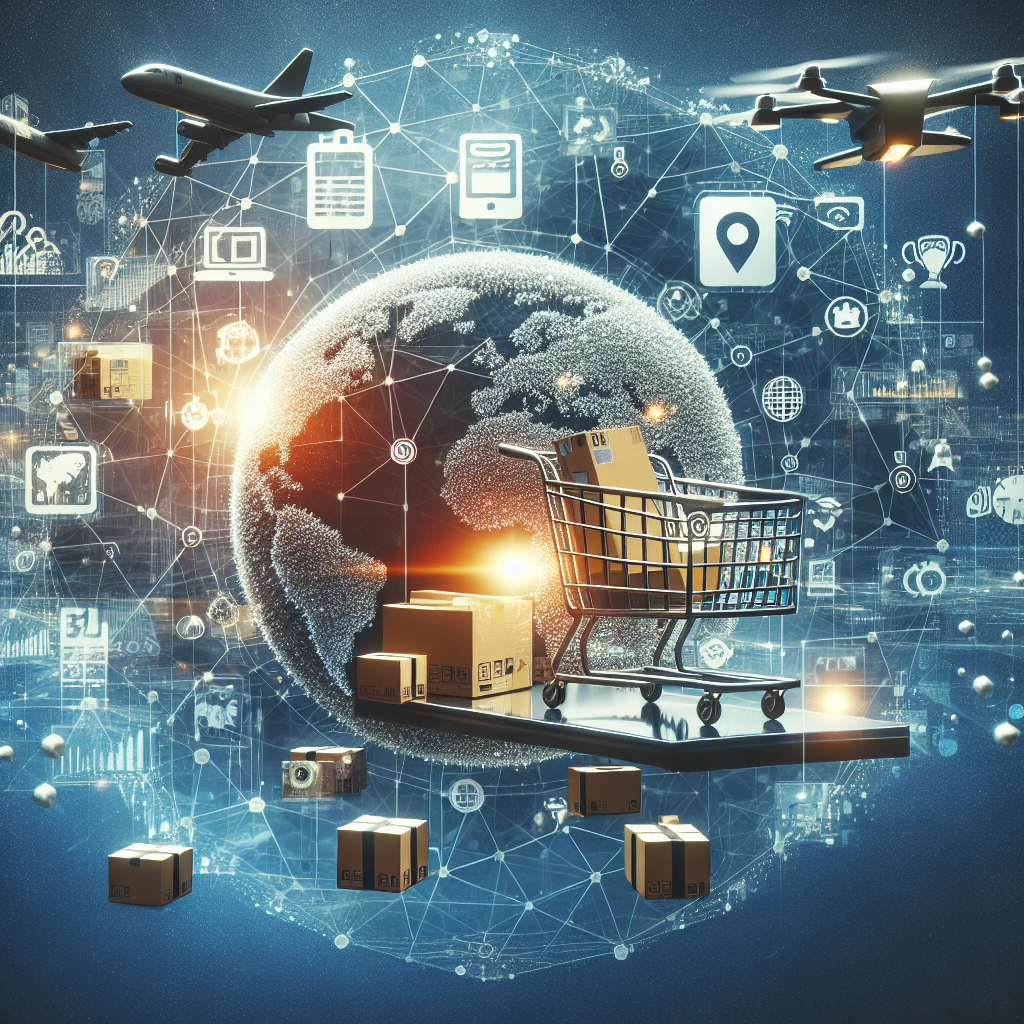
Transforming E-commerce with Digital Product Delivery Solutions
In today's connected world, e-commerce is continuously evolving to meet the shifting needs of consumers. Among these changes, innovative digital product delivery solutions are playing a pivotal role. They not only enhance customer experience but also streamline operations for businesses.
The Shift from Physical to Digital
E-commerce has traditionally relied on physical deliveries to get products to consumers. However, as digital products and services increase in demand, so too does the need for seamless, efficient digital delivery solutions.
Advantages of Digital Delivery
Transitioning to digital product delivery offers numerous advantages. For one, there's an immediacy that simply cannot be matched by physical goods. Consumers receive their purchases immediately, allowing for instant gratification. Additionally, digital delivery eliminates the costs associated with shipping, handling, and potential returns, providing businesses with significant savings.
Customer Expectations in the Digital Age
Today's consumers have grown accustomed to high-speed internet, ubiquitous cloud services, and the ability to access virtually any digital content instantly. This shift has not only influenced how consumers shop but has also heightened their expectations. As a result, businesses are compelled to adopt innovative digital delivery solutions to remain competitive.
Technological Innovations Driving Digital Product Delivery
Technological advancements continue to reshape how digital products are delivered. These innovations offer versatile solutions that can be tailored to meet various business needs.
Cloud Computing and Storage
Cloud computing has revolutionized the storage and distribution of digital products. By leveraging cloud services, businesses can offer reliable and scalable solutions, ensuring that customers can access their purchases anytime, anywhere. This flexibility is particularly advantageous for businesses offering software, games, and media content, which often require substantial storage and bandwidth.
Automation and Artificial Intelligence
Automation, powered by artificial intelligence, is another significant advancement enhancing digital delivery. Intelligent systems can dynamically adjust delivery processes, manage abundant customer data, and offer personalized experiences. As a result, businesses can improve customer satisfaction while reducing operational complexities.
Chatbots and Virtual Assistants
One practical AI application is the use of chatbots and virtual assistants in digital product delivery. These AI-driven tools provide instantaneous customer interactions, helping to troubleshoot delivery issues and guiding consumers through the purchase process with minimal human intervention.
Optimizing the Digital Delivery Process
While technology facilitates digital delivery, optimizing these processes is essential to achieve exceptional customer satisfaction and operational efficiency.
Personalization and Customization
Customers seek unique experiences that resonate with their preferences. By integrating personalization in the digital delivery process, businesses can enhance customer loyalty and drive sales. Whether through tailored product recommendations or customizing the delivery interface according to user preferences, personalization significantly elevates the user experience.
Secure and Reliable Delivery Systems
Security is paramount in digital product delivery. Businesses must ensure that their systems protect customers' data and prevent unauthorized access to digital products. Implementing robust security protocols preserves consumer trust and safeguards company reputation.
Encryption and Authentication
Encryption and authentication are essential components of secure digital product delivery. By encrypting sensitive information, such as customer payment details, businesses can protect data integrity and confidentiality. Additionally, employing authentication measures, like two-factor authentication, ensures that only legitimate consumers access purchased digital content.
Future Trends in Digital Product Delivery
The realm of digital delivery is constantly evolving, and staying ahead of future trends is crucial for success in the e-commerce landscape.
Integration of Blockchain Technology
Blockchain technology has the potential to revolutionize digital product delivery by enhancing transparency and security. Decentralized systems can safeguard digital transactions, ensuring that digital products reach intended consumers without risk of duplication or piracy. Moreover, the traceability offered by blockchain technology can increase consumer confidence in the authenticity and provenance of digital goods.
5G and the Era of Hyper-Connectivity
With the rollout of 5G networks, hyper-connectivity is becoming a reality, drastically altering digital delivery possibilities. As bandwidth increases and latency decreases, the seamless distribution of high-definition media, complex software, and immersive experiences will redefine consumer expectations. Businesses must adapt to leverage the unprecedented speed and reliability offered by 5G in their digital delivery strategies.
Augmented and Virtual Reality Experiences
The advent of 5G also paves the way for augmented and virtual reality to become mainstream in digital product delivery. For sectors like fashion, real estate, and entertainment, immersive AR and VR experiences can transform how products are marketed and consumed digitally.
Successful Implementations and Case Studies
Numerous companies have already set examples by incorporating innovative digital delivery solutions that align with future technological trends.
Netflix and Content Streaming
Netflix stands as a leader in the digital delivery of entertainment through its pioneering streaming service. By embracing cloud technologies and adaptive streaming protocols, Netflix can offer vast libraries of content to millions worldwide without disruption. Furthermore, their recommendation algorithm personalizes user experiences, building a strong subscriber base.
Adobe Creative Cloud and SaaS Models
Adobe transitioned from selling standalone software to offering its products through the Creative Cloud subscription model. This shift not only modernized Adobe's product delivery but also facilitated seamless updates and cross-platform accessibility. By adopting a SaaS model, Adobe ensures that users consistently access the latest features and tools in a secure digital environment.
The Road Ahead for E-commerce and Digital Delivery
As e-commerce continues its rapid growth trajectory, digital product delivery will remain a foundational component in shaping consumer experiences and operational efficiencies.
Collaboration and Cross-Platform Integration
To keep pace, businesses will need to foster collaboration and cross-platform integration. By developing synergies with tech providers, payment gateways, and logistic partners, e-commerce platforms can create holistic solutions that cover the entire digital delivery spectrum.
Continuous Innovation and Consumer-Centric Strategies
Ultimately, embracing continuous innovation and focusing on consumer-centric strategies will determine success in the digital delivery domain. Businesses must persistently explore emerging technologies and hone their delivery mechanisms to remain agile and competitive in the ever-evolving e-commerce arena. By doing so, they can ensure an exceptional customer experience that not only meets but exceeds consumer expectations in the digital age.
