

Quick answer
Choose a one-time payment when you sell something finished that people use once or own outright, such as a course, template pack or ebook. Offer instalments when the same product has a higher price and some buyers need to spread the cost. Choose a subscription only when you deliver ongoing value every month, such as software, a membership or regular content. If you are unsure, start with a one-time price, add an instalment option for higher prices, and save subscriptions for offers that genuinely keep giving.
Key takeaways
- One-time: simplest to run and explain; best for finished products
- Instalments: same product, same total, paid over a fixed number of months
- Subscription: ongoing payments for ongoing value, until the customer cancels
- A trial is an entry point to a subscription, not a payment model of its own
- Tiers work when buyers genuinely need different levels of access
- Whichever you choose, the terms must match on every page and email
📘 Main article: This guide supports Scale.gg Campaign Automation: What the Agent Builds, What You Approve. There we show how the Scale.gg agent maps one-time payments, instalments and multi-tier subscriptions. This guide helps you decide which one your offer needs.
In this guide
- What is the difference between one-time, instalments and subscription?
- When does a one-time payment work best?
- When should you offer instalments?
- When does a subscription make sense?
- Where do trials and tiers fit in?
- How do you choose? A five-question test
- What mistakes should you avoid?
- Frequently asked questions
- The bottom line
Pricing is not only about the number. How people pay changes who can buy, how much admin you take on and how many refund requests land in your inbox. Pick the wrong model and a good product can feel awkward to buy.
This guide answers one question: how do you choose between a one-time payment, instalments and a subscription for your digital product? It supports our main article, Scale.gg Campaign Automation: What the Agent Builds, What You Approve, and the walkthrough video on our channel.
What is the difference between one-time, instalments and subscription?
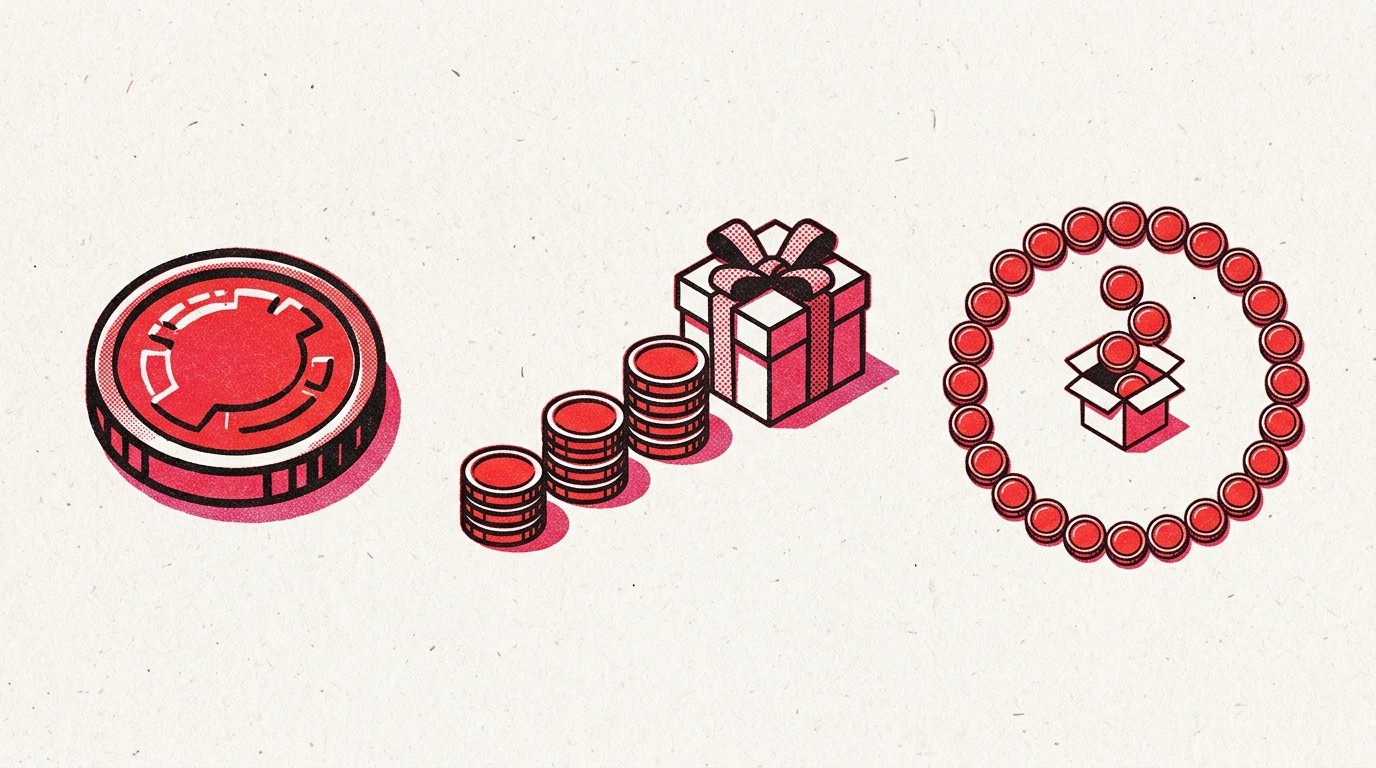
They differ in how long the customer pays and what they get for it.
| Model | How the buyer pays | Typical fit |
|---|---|---|
| One-time | One payment, done | Courses, templates, ebooks, lifetime software deals |
| Instalments | Fixed number of payments adding up to a set total | Higher-priced courses, coaching programmes, bundles |
| Subscription | Repeating payments until they cancel | Software, memberships, communities, regular content |
The key test is simple. With instalments, the buyer knows the end date and total on day one. With a subscription, they keep paying because they keep getting something new.
When does a one-time payment work best?
When your product is finished and the price is easy to say yes to. A one-time payment is the easiest model to explain, to support and to refund.
- The product is complete on the day of purchase
- There are no ongoing costs to you for each buyer, or they are very small
- The price is low enough that most buyers can pay it at once
- You want the simplest checkout and the fewest support questions
The trade-off is that your income depends on finding new buyers. That is why one-time offers pair well with a follow-up to past buyers, which our sibling guide How to Write a Three-Email Follow-Up Sequence for Past Launch Buyers covers.
When should you offer instalments?
When the price is high enough that some good-fit buyers hesitate at paying it all at once. Instalments keep the product and the value the same and simply spread the cost.
- Keep the number of payments small, for example three, so the end is clearly in sight
- Show the total next to the monthly figure, so nobody is surprised
- Decide what happens if a payment fails, such as a reminder, a retry and paused access
- Offer the one-time price as well, so buyers can choose
⚠️ Warning: If you charge more in total for instalments than for paying upfront, say so clearly. In the UK, some payment plans may count as consumer credit, so check FCA guidance or get advice before you offer anything beyond a simple split payment.
When does a subscription make sense?
Only when you deliver something new or ongoing every billing period. Subscriptions can give you steadier income, but customers cancel quickly if they stop seeing value.
- Software or tools people use every week
- A membership with regular new lessons, templates or live sessions
- A community or support channel that needs ongoing effort from you
- Regular content, such as a paid newsletter
Subscriptions also bring the most responsibility. You need clear renewal terms, easy cancellation and reminders before renewals. UK subscription rules are being tightened under the Digital Markets, Competition and Consumers Act 2024, so check the current guidance before you launch.
Want the agent to map the payment path for you? Read Scale.gg Campaign Automation: What the Agent Builds, What You Approve, and see our Starter Bonus Bundle for Scale.gg.
Where do trials and tiers fit in?
A trial is a doorway into a subscription, and tiers are versions of one. Neither replaces the main choice.
- Trials, such as the 14-day $1 trial in our video, let people try before the full price starts. They work only if the renewal price and date are crystal clear. Our $1 Trial to Subscription: How to Keep Trial Terms Consistent Everywhere checklist covers the wording
- Tiers make sense when buyers genuinely need different levels, such as solo and team, or basic and done-with-you. If you cannot explain the difference in one line, you probably need fewer tiers
How do you choose? A five-question test
Answer these five questions in order, and the model usually picks itself.
- Is the product finished on day one? If yes, start with one-time.
- Do you add value every month? If yes, a subscription may fit.
- Is the price a stretch for good-fit buyers? If yes, add instalments.
- Can you handle failed payments and cancellations? If not, keep it simple for now.
- Can you explain the terms in one sentence? If not, simplify the offer.
💡 Tip: Write the payment terms as one plain sentence before you build anything, for example “£297 once, or three payments of £99”. If the sentence is hard to write, buyers will find it hard to read.
What mistakes should you avoid?
- Turning a finished product into a subscription just for recurring income
- Hiding the total of an instalment plan behind a small monthly figure
- Making cancellation harder than signing up
- Letting terms drift between the sales page, checkout and emails
- Skipping a test purchase; our How to Test a Checkout Before Launch: A Test-Purchase Walkthrough guide shows how
Frequently asked questions
Should I offer both one-time and instalments?
Often, yes, for higher-priced products. Showing both lets buyers choose, and the one-time option makes the total cost clear.
Is a subscription always better for income?
No. It only works when you keep delivering value. A subscription for a finished product tends to lead to quick cancellations and refund requests.
How many instalments should I offer?
Keep it short, such as two to four payments, so the end date is clear and the plan is easy to manage.
Can Scale.gg handle all three models?
Our video says the agent handles one-time payments, instalments and multi-tier subscriptions, with receipts and a billing portal handoff. See Scale.gg Campaign Automation: What the Agent Builds, What You Approve.
Do I need legal advice for subscriptions?
It is wise for anything beyond a simple plan. Rules on renewals and cancellations are changing in the UK, so check current guidance or get qualified advice.
The bottom line
Match the payment model to how your product delivers value. Finished products suit a one-time price, higher prices benefit from an instalment option, and subscriptions belong to offers that keep giving every month. Whatever you choose, write the terms in one plain sentence, keep them identical everywhere and test the checkout before launch.
Related posts
- Scale.gg Campaign Automation: What the Agent Builds, What You Approve
- How to Write a Three-Email Follow-Up Sequence for Past Launch Buyers
- $1 Trial to Subscription: How to Keep Trial Terms Consistent Everywhere

[…] One-Time, Instalments or Subscription: How to Choose a Payment Model — how to decide between a single price, a payment plan and a subscription for your next offer. […]
[…] For subscriptions or instalments, a rule for failed or cancelled payments; see One-Time, Instalments or Subscription: How to Choose a Payment Model […]