

Artificial Intelligence (AI) has emerged as a pivotal force in the transformation of video creation. By integrating AI-driven technologies, video production processes have become more efficient, creative, and accessible. These advancements are reshaping how content creators, businesses, and filmmakers conceptualize, produce, and distribute visual media.
AI’s impact on pre-production primarily revolves around scriptwriting and storyboarding. Natural Language Processing (NLP) algorithms can analyze vast amounts of data to generate scripts that align with current trends and audience preferences. AI tools like ScriptBook and Plotagon enable creators to develop narratives by predicting plot points that resonate with specific demographics. These tools streamline the creative process, allowing writers to focus on refining ideas rather than concocting entire scripts from scratch.
In terms of storyboarding, AI applications such as Canva and Storior offer robust functionalities to create detailed visual plans quickly. By inputting basic scene descriptions, AI can produce draft boards that suggest camera angles, lighting setups, and scene compositions. This capability proves invaluable for directors and cinematographers, as it facilitates efficient planning and resource allocation before actual shooting begins, reducing both time and costs.
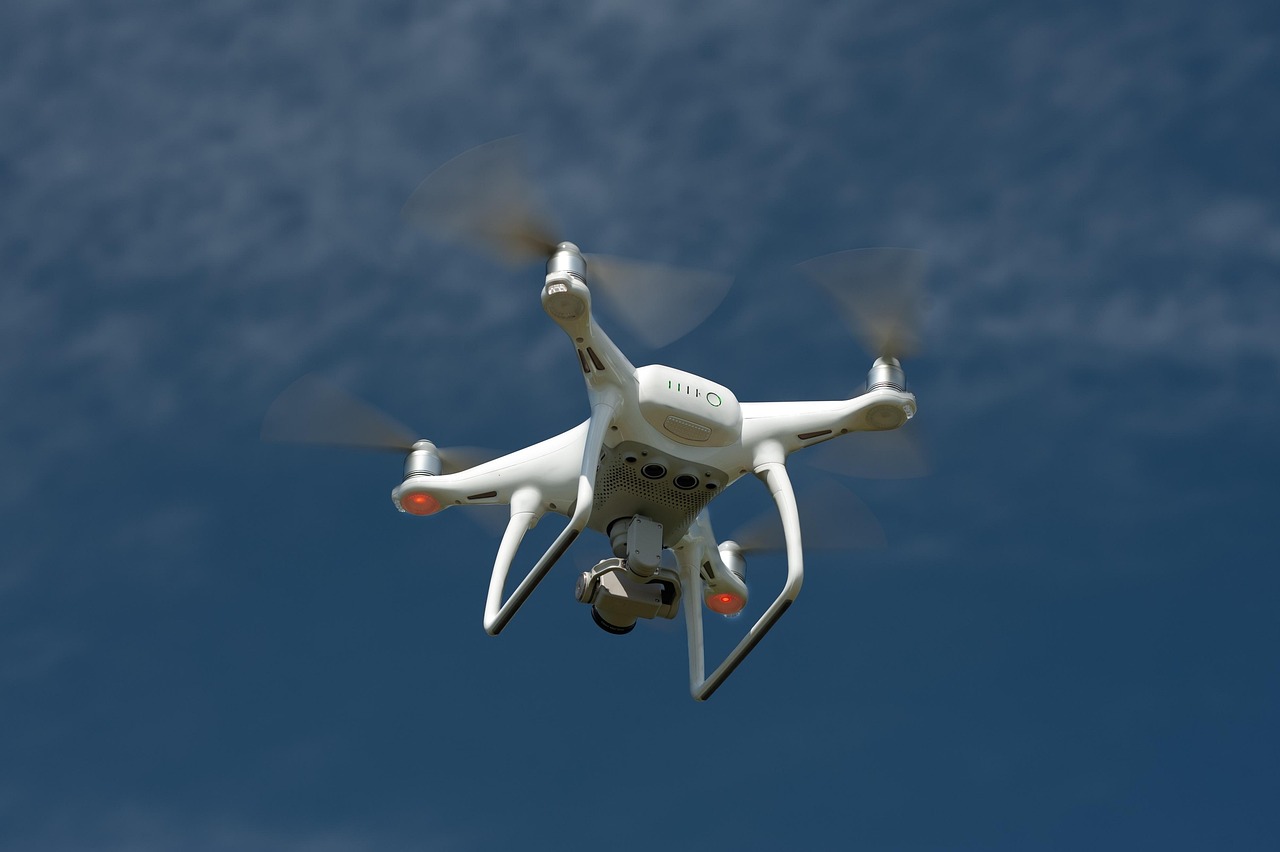
During the production phase, AI enriches the filming process itself. Computer vision powered by machine learning enhances camera automation, enabling features like facial recognition, focus tracking, and real-time exposure adjustments. These enhancements allow cinematographers to capture high-quality footage with precision, reducing the reliance on extensive manual adjustments. Furthermore, AI-driven drones enable aerial cinematography, offering unique perspectives previously limited by physical constraints or budget limitations.
Another significant application during production is virtual reality (VR) and augmented reality (AR), where AI contributes to immersive video content creation. By employing AI algorithms, creators can simulate realistic environments in which actors interact, substantially cutting down on location and set design costs. Companies like Unreal Engine harness AI to render 3D environments in real time, allowing instant scene changes that seamlessly integrate with live-action footage.
Post-production represents a domain where AI's influence is most pronounced. Automated video editing software like Adobe Premiere Pro integrates AI to suggest cuts, transitions, and effects based on pacing and emotional tone desired. AI can analyze footage to identify highlights or mishaps, offering editors more time to focus on creativity rather than manual sifting through hours of footage. Moreover, the application of deep learning algorithms enhances visual effects (VFX), color grading, and CGI development. For instance, AI tools can replace green screens by detecting and segmenting backgrounds, thus economizing the process of compositing scenes.
For audio processing, AI advancements assist in tasks ranging from automated dialogue replacement (ADR) to sound design enhancement. Editing platforms increasingly leverage AI for noise reduction, voice isolation, and even generating original scores. Technologies such as AIVA embark on composing music specifically tailored to match the tone and mood of video projects.
In terms of distribution, AI technologies influence how video content is marketed and consumed. Algorithms for AI-driven analytics platforms like YouTube, Netflix, and TikTok assess viewer behavior to optimize content recommendations, ensuring videos reach their intended audiences. Enhanced metadata tagging, enabled by AI, improves search engine optimization (SEO), enabling content to rank higher in searches and attract wider viewership. This targeted distribution amplifies user engagement, boosts monetization potential, and nurtures viewer loyalty.
Personalization stands as another frontier where AI revolutionizes video creation. Interactive videos powered by AI allow viewers to choose story paths, resulting in a dynamic viewing experience. This methodology not only enhances audience engagement but also provides valuable data for creators regarding viewer preferences and interaction patterns, thereby informing future production decisions.
AI's contributions also extend to inclusivity and accessibility within video creation. Speech recognition and natural language generation (NLG) technologies produce automated captions and transcriptions, making content accessible to hearing-impaired viewers. Moreover, AI-driven translation and dubbing services expand the cultural reach of videos, allowing them to cater to diverse global audiences.
An ancillary benefit of AI in video creation is data analytics. By assessing audience feedback, engagement metrics, and content performance, AI tools provide creators with a detailed understanding of what drives viewer interest. This cycle of feedback and refinement encourages content that is increasingly aligned with audience expectations, fostering innovation in video creation processes.
Despite concerns about AI replacing human jobs, its role in video creation should be seen as augmentative rather than adversarial. AI contributes to the iterative processes that traditionally required exhausting manual effort. Consequently, creators are liberated to focus on storytelling and ideation, where human intuition and creativity remain irreplaceable.
Lastly, AI has democratized video creation by lowering entry barriers. Affordable and user-friendly AI tools enable independent creators to produce professional-grade videos without significant investment in traditional equipment or software. This democratization empowers a broader range of voices to participate in the video production landscape, enriching the diversity of content available globally.
AI continues to advance, revealing new possibilities in video creation. As these technologies evolve, they promise to bring about unforeseen innovations, fundamentally altering how we experience and engage with visual media. In a rapidly changing landscape, stakeholders must adapt these AI tools to maximize their benefits, ensuring sustainable growth and creative excellence within the industry.
