

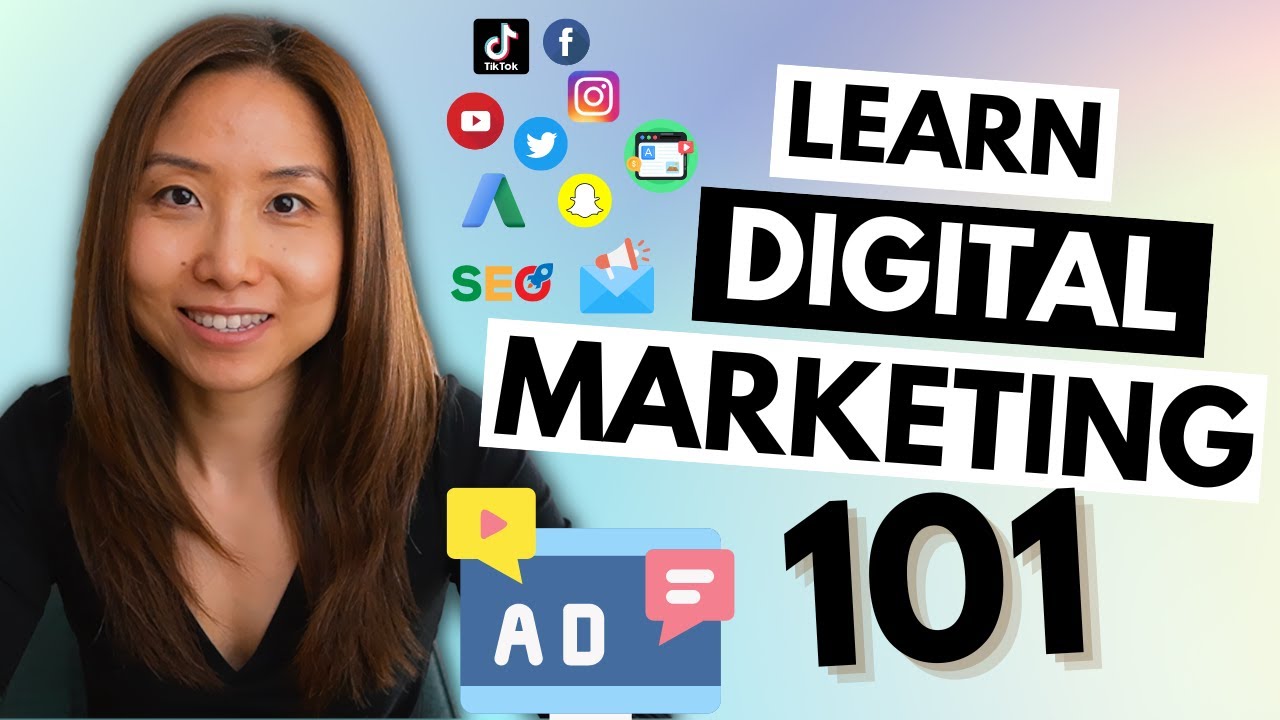
[geo_answer label=”Quick Answer”]Digital marketing is the practice of promoting products, services, or brands through online channels such as websites, social media, email marketing, SEO, and paid advertising. This complete beginner's guide explains how each digital marketing channel works, how they connect through the marketing funnel, and how to create your own digital marketing strategy from scratch. Understanding these fundamentals is essential for anyone looking to build an online presence, grow their list building efforts, or succeed in affiliate marketing.[/geo_answer]
What Is Digital Marketing? A Complete Beginner's Guide
If you're new to the world of online promotion and want to understand how businesses attract customers through the internet, you've come to the right place. This comprehensive digital marketing guide is designed specifically for beginners who want to learn the fundamentals of marketing in the digital age. Whether you're a small business owner, an aspiring entrepreneur exploring affiliate marketing opportunities, or someone looking to build a career in marketing, this guide will give you the foundation you need to succeed.
According to Statista, global digital advertising spending reached over $600 billion in 2023, with experts projecting continued growth as more businesses shift their marketing budgets online. This massive investment in digital channels demonstrates why understanding digital marketing fundamentals has become essential for anyone involved in business or entrepreneurship today.
Watch this complete video tutorial to master the basics of digital marketing:
https://youtube.com/watch?v=WUniTVTi_JkFREE Marketing Plan Template: https://clickhubspot.com/dg4
Traditional Marketing vs Digital Marketing: Understanding the Key Differences
Before diving into specific digital marketing channels, it's important to understand how digital marketing differs from traditional marketing approaches. Traditional marketing encompasses offline methods like television commercials, radio advertisements, print ads in newspapers and magazines, billboards, and direct mail campaigns. These methods have been used for decades and still hold value in certain contexts.
Digital marketing, on the other hand, leverages online platforms and technologies to reach audiences where they spend increasingly more of their time: on the internet. The fundamental difference lies in the ability to target specific audiences, track results in real-time, and adjust campaigns based on performance data. Unlike traditional marketing, where measuring ROI can be challenging and imprecise, digital marketing provides detailed analytics that show exactly how your campaigns are performing.
One of the most significant advantages of digital marketing is cost-effectiveness. Small businesses and individuals pursuing affiliate marketing or building their email lists can compete with larger companies because digital advertising platforms allow you to start with modest budgets and scale as you see results. This democratization of marketing has opened doors for entrepreneurs worldwide.
Know Your Audience Through Research and Digital Insights
The foundation of any successful digital marketing strategy begins with understanding your target audience. Before you create content, run ads, or build your list building campaigns, you need to know who you're trying to reach. This involves creating detailed buyer personas that represent your ideal customers.
Digital tools provide unprecedented access to audience insights. Platforms like Google Analytics, social media analytics, and customer relationship management (CRM) systems give you data about demographics, interests, behaviors, and preferences. You can learn what websites your audience visits, what content they engage with, what times they're most active online, and what problems they're trying to solve.
Research shows that businesses using data-driven marketing strategies are six times more likely to be profitable year-over-year. By leveraging digital insights, you can create marketing messages that resonate with your specific audience rather than casting a wide net and hoping for the best. This targeted approach is especially valuable for those focused on affiliate marketing, where understanding your audience's needs directly impacts your conversion rates and commissions.
Essential Digital Marketing Channels Explained
Digital marketing encompasses multiple channels that work together to attract, engage, and convert your target audience. Understanding each channel's role and how they complement each other is crucial for building an effective strategy.
Your Website: The Foundation of Your Digital Presence
Your website serves as the central hub of all your digital marketing efforts. It's where potential customers learn about your products or services, where your content lives, and where conversions ultimately happen. A well-designed website should be mobile-responsive, fast-loading, easy to navigate, and optimized for both users and search engines.
For those focused on list building, your website is where you'll place opt-in forms, landing pages, and lead magnets to capture email addresses. The user experience on your website directly impacts whether visitors take the actions you want them to take. According to Google, 53% of mobile users abandon sites that take longer than three seconds to load, highlighting the importance of website performance in your digital marketing success.
Your website should clearly communicate your value proposition and guide visitors toward specific goals, whether that's making a purchase, signing up for your email list, or clicking through to an affiliate marketing offer.
Search Engine Optimization (SEO): Getting Found Organically
Search Engine Optimization, commonly known as SEO, is the practice of optimizing your website and content to rank higher in search engine results pages (SERPs). When potential customers search for topics related to your business, you want your content to appear prominently in their search results.
SEO involves multiple components including keyword research, on-page optimization (title tags, meta descriptions, header tags, content quality), technical SEO (site speed, mobile-friendliness, site structure), and off-page SEO (backlinks from other reputable websites). While SEO takes time to produce results, it's one of the most valuable long-term investments in digital marketing because organic traffic is essentially free once you've established strong rankings.
For affiliate marketing and list building efforts, SEO can drive highly qualified traffic to your content without ongoing advertising costs. People searching for specific solutions are often further along in their buying journey, making them ideal candidates for your offers.
Social Media Marketing: Building Community and Engagement
Social media platforms like Instagram, Facebook, LinkedIn, Twitter, TikTok, and YouTube offer powerful opportunities to connect with your audience, build brand awareness, and drive traffic to your website. Each platform has its own culture, content formats, and best practices, so it's important to choose platforms where your target audience is most active.
Organic social media marketing involves creating and sharing valuable content that encourages engagement, builds community, and establishes your authority in your niche. Consistency is key—posting regularly and engaging with your followers helps you stay top of mind and build relationships over time.
Social media is also an excellent channel for promoting lead magnets and building your email list. Many successful marketers use social content to drive followers to landing pages where they can capture email addresses for ongoing list building efforts.
Email Marketing: The Power of Direct Communication
Email marketing remains one of the most effective digital marketing channels, with an average ROI of $42 for every $1 spent according to the Data & Marketing Association. Unlike social media platforms where algorithms control who sees your content, email gives you direct access to your audience's inbox.
This is where list building becomes critically important. Building an email list of subscribers who have opted in to hear from you creates a valuable marketing asset that you own and control. Your email list allows you to nurture relationships, deliver value, and promote offers directly to people who have expressed interest in what you provide.
For those involved in affiliate marketing, email marketing is often the highest-converting channel because subscribers have already demonstrated trust by giving you their email address. Effective email marketing involves segmenting your list, personalizing your messages, providing consistent value, and strategically promoting relevant offers.
Search Engine Marketing (SEM) and Paid Advertising
Search Engine Marketing refers to paid advertising on search engines, primarily Google Ads. Unlike SEO, which focuses on organic rankings, SEM allows you to pay for placement at the top of search results for specific keywords. This provides immediate visibility while you work on building your organic presence.
Paid social media advertising extends this concept to platforms like Facebook, Instagram, LinkedIn, and others. These platforms offer sophisticated targeting options that allow you to reach specific demographics, interests, behaviors, and even people who have previously interacted with your content or visited your website.
While paid advertising requires budget, it offers the advantage of immediate results and precise targeting. Many marketers use paid advertising to accelerate their list building efforts, driving targeted traffic to landing pages where they capture email addresses. The key is understanding your customer acquisition costs and lifetime value to ensure your advertising spend is profitable.
Content Marketing: Attracting Through Value
Content marketing is the strategic approach of creating and distributing valuable, relevant content to attract and engage your target audience. This includes blog posts, videos, podcasts, infographics, ebooks, webinars, and more. The goal is to provide value that addresses your audience's questions, challenges, and interests.
Effective content marketing positions you as an authority in your field and builds trust with potential customers. Rather than interrupting people with promotional messages, content marketing attracts them by being genuinely helpful. This approach is particularly effective for list building because you can offer premium content (lead magnets) in exchange for email addresses.
Content marketing also supports other channels—great content improves your SEO, gives you material to share on social media, and provides value to deliver to your email subscribers. For affiliate marketing success, educational content that naturally incorporates product recommendations tends to convert better than overtly promotional content.
Understanding the Marketing Funnel
The marketing funnel is a framework that describes the customer journey from initial awareness of your brand to becoming a paying customer (and beyond). Understanding this funnel helps you create appropriate content and campaigns for each stage.
At the top of the funnel (awareness stage), potential customers are just discovering your brand or realizing they have a problem you can solve. Content at this stage should be educational and broadly appealing, designed to attract attention and provide value. SEO, social media, and content marketing are particularly effective for top-of-funnel activities.
In the middle of the funnel (consideration stage), prospects are actively evaluating options and comparing solutions. Here, you provide more detailed information, case studies, comparisons, and content that helps them understand why your solution is right for them. Email marketing and retargeting ads work well at this stage.
At the bottom of the funnel (decision stage), prospects are ready to make a purchase decision. This is where your sales pages, product demonstrations, testimonials, and special offers come into play. For affiliate marketing, understanding where your audience is in the funnel helps you recommend products at the right time.
List building is essential throughout the funnel because it allows you to continue communicating with prospects who aren't ready to buy immediately. By capturing email addresses and nurturing relationships over time, you can guide people through the funnel at their own pace.
Leveraging Digital Marketing Data and Insights
One of digital marketing's greatest advantages is the wealth of data available to measure and optimize your efforts. Unlike traditional marketing, where results are often difficult to track, digital marketing provides detailed analytics on virtually every aspect of your campaigns.
Key metrics to track include website traffic, conversion rates, email open and click rates, social media engagement, cost per acquisition, and return on investment. By regularly analyzing these metrics, you can identify what's working, what isn't, and where to focus your efforts for maximum impact.
Data-driven decision making separates successful digital marketers from those who struggle. Rather than guessing what your audience wants, you can let the data guide your strategy. A/B testing allows you to compare different approaches and continually improve your results over time.
Creating Your Digital Marketing Strategy
Digital marketing isn't complicated once you understand how the various channels work together. The key is starting with clear goals, understanding your audience, and choosing the channels that make the most sense for your specific situation.
For beginners, it's often best to focus on mastering one or two channels before expanding. Many successful marketers start with content marketing and list building, creating valuable content that attracts their target audience and capturing email addresses for ongoing communication. From there, they can expand into paid advertising, additional social platforms, or more advanced strategies.
Whether your goal is growing a business, succeeding with affiliate marketing, or building your personal brand, the fundamentals covered in this guide provide the foundation you need. Start by implementing what you've learned, measure your results, and continuously improve based on what the data tells you.
Resources for Continued Learning
⭐️ More Resources for You:
Online Business Tools Kit: https://bit.ly/3O5jctx
Free Social Media Planner: http://bit.ly/2Sre6eO
Premium Ultimate Social Media Planner: https://lauriewang.com/planner
Social Media Free Email Course: http://bit.ly/2YfYPm6
Insider Marketing Tips: http://bit.ly/2M5GFvq
📚 My Courses:
My Online Courses (try 1st month for free): https://lauriewang.com/skillshare
My YouTube Video Gear Setup: https://kit.co/LaurieWang/youtube-beginners-kit
About the Author
👩🏻💻 Hi, I'm Laurie, a digital marketing strategist and content creator who also loves all things marketing, personal development, productivity, mindfulness, and tech from London, United Kingdom. I've built my personal brand into a digital marketing training and consultancy business in the last few years and I love helping others create a living doing what they love. I live here with my husband Simon Alexander Ong, and our little toddler daughter. If you like the channel, please do get in touch and say hi!
👩🏻💻 Want to hang out together on your other social channels?
INSTAGRAM: https://instagram.com/iamlauriewang
WEBSITE: https://lauriewang.com
LINKEDIN: https://www.linkedin.com/in/lauriewang
TWITTER: https://twitter.com/iamlauriewang
FACEBOOK: https://facebook.com/lauriewang
💌 I have a weekly newsletter sharing thoughts, useful resources, and my top recommendations on marketing, business, personal development, personal branding and more. If you are interested in checking it out, get it here: https://lauriewang.com/
Just to let you know that some of the links above are affiliate links which means that by using these links you'll be supporting my content with a small commission at no cost for you. Thank you for your support.
